
Lapis lazuli

Lapis lazuli is one of the stones with the most legends and myths surrounding it. The first traces of this fabulous blue stone date back to 7000 BC.
Lapis lazuli is a metamorphic rock with variations in composition. Belonging to the silicate family, lapis lazuli is composed of limestone and approximately 20 to 40% lazurite. It is this presence of lazurite that gives the stone its beautiful deep blue color.
Furthermore, it also contains veins of pyrite, which give it a yellow luster. This pyrite has sometimes been mistaken for gold. Sodalite, calcite, and augite are also present in this stone.
Lapis lazuli has a relatively low hardness, measuring between 5 and 5.5 on the Mohs scale. For comparison, diamond has a hardness of 10 on the same scale.
Lapis lazuli is a stone of magnificent blue. The fewer veins of pyrite or calcite fragments it contains, the more valuable it is.
The name of this stone comes from the Latin words “lapis,” meaning stone, and “lazuli,” meaning azure. Literally, the translation of its name is “azure stone.” However, the stone has had other names.
It has even been mistaken for sapphire. The greatest geologists and naturalists made the mistake. This was the case with Theophrastus (371-288 BC), the Greek philosopher and naturalist; Pliny the Elder (23-79 AD), the Roman naturalist and writer; and Georgius Agricola (1494-1555), the father of mineralogy and metallurgy. They referred to it as a star sapphire because of its magnificent blue color and golden flecks.
Many archaeological sites have revealed evidence of this stone dating back to 7000 BC. Numerous objects, including jewelry, amulets, and daggers, have been discovered. It appears that this remarkable stone was traded between Afghanistan, Mesopotamia, and Egypt.
During the Bronze Age (2700-900 BC), lapis lazuli was nicknamed "the stone of stones" by the Sumerians. Superb artifacts have been found in tombs in the Royal Cemetery of Ur in Iraq and in the Royal Palace of Ebla in Syria. It evokes the celestial vault and was reserved for the elite, princes, and gods.
In the Near East and Egypt, all sorts of objects were made (animal figurines, seals, amulets, and jewelry). Lapis lazuli became a stone with powerful properties. Stronger than evil, this stone symbolized perfection. It became the embodiment of spiritual, political, and physical power. It was then used to represent the eyes of deities. Furthermore, Tutankhamun's mask has lapis lazuli inlaid in the eyebrows.
The Romans attributed aphrodisiac properties to it and used it as an antidote against insect and snake bites and stings. Crushed, this stone is used in cosmetics.
In medieval Europe, lapis lazuli was ground to make ointments with powerful healing properties. From 1400 onwards, lapis lazuli was used as a pigment for painting. It can be seen in the ceiling of the Sistine Chapel in Rome. This pigment was relatively expensive, so it was replaced by a synthetic pigment in the 19th century.
Today, this lapis lazuli pigment is still available and can reach a price of €20,000 per kg. The price varies depending on its quality and origin.
The main deposits are located in Afghanistan, Egypt, etc.
Lapis lazuli: virtues and powers in crystal healing
Its benefits on a psychological level
Lapis lazuli is a stone that fosters openness to others. It enhances communication and facilitates friendly exchanges, helping to overcome shyness. It encourages self-expression without restraint, without fear of reproach or criticism.
This stone provides the necessary confidence to take control of one's life and no longer be dominated by anyone. It restores self-confidence and brings about emotional healing.
Blue represents serenity: this stone brings calm, suppresses negative emotions, and combats stress. Lapis lazuli helps fight anxiety, buried fears, and past traumas. It is recommended during periods of intense sadness.
Lapis lazuli is a stone that stimulates intellectual and artistic expression. It develops imagination, ingenuity, and creativity. Therefore, it is perfectly suited to anyone who needs to create (artists, writers, authors, composers, etc.).
This stone allows its wearer to radiate tenderness, kindness, and happiness. It facilitates introspection and helps identify psychological issues. It gives the strength to combat the hidden causes of feelings of unease.
Lapis lazuli is a valuable aid during difficult times, such as divorce, the loss of a loved one, job loss, etc.
Its benefits on a physical level
Lapis lazuli is a stone renowned for combating insomnia, restless nights, and nightmares. It exudes a gentleness that soothes troubled minds.
Placed in the bedroom, this stone promotes restful and restorative sleep. It restores vitality and energy upon waking.
Lapis lazuli promotes the proper functioning of the solar plexus chakra.
It effectively combats sadness and anxiety. This helps to eliminate stress and its effects on the body.
Lapis lazuli and its associated astrological signs

Lapis lazuli is an extremely powerful stone, and its beneficial effects are felt by all signs of the zodiac. However, some astrological signs are even more receptive, particularly the following:
-Ram : A symbol of energy, enthusiasm, and action, this sign represents audacity, leadership, and dynamism. Wearing lapis lazuli helps him get back up after a setback and prevents him from being discouraged. He demonstrates great tenacity and willpower. When he wants something, he does everything to get it. He is very stubborn by nature. Family means a great deal to him, and he can be very generous. Competitive, he likes to measure himself against others in any field. He is often first, and he loves it. He is very frank and always says what he thinks. He sorely lacks diplomacy and can be hurtful. He is also a spendthrift, striving for professional success. In love, he is a fickle person and falls in love often. He enjoys having multiple relationships and discovering new people. As the years go by, he settles down and starts a family. He likes the idea of marriage.
-Bull : A symbol of the earth, fertility, and stability, this sign represents loyalty, willpower, and jealousy. Wearing lapis lazuli soothes and brings serenity. This sign is highly reliable, connected to the earth and nature. It enjoys owning and acquiring land and real estate. It is extremely materialistic, thriving in a world of parties and pleasures. It adores luxury and is generous. Very stubborn, it is impossible to change its mind. It is reliable and honest, but beware of betraying it, for its anger will be fierce. In love, it is a great seducer and passionate. It is highly sensual, enjoying caresses and physical touch. It possesses a magnetic charm, but it yearns to start a family.
-Virgin : A symbol of method, logic, and critical thinking, this sign represents organization, perfection, and hard work. Wearing lapis lazuli helps them overcome their shyness. In fact, this sign is very self-conscious and anxious. Their anxious nature often makes them put themselves in the background. They are a true workaholic and possess a vast amount of knowledge. They are often sought after for their logical mind. Attentive to the smallest detail, this sign is very demanding and critical. They are obsessed with order and cannot stand dirt. They are discreet, and their modesty is often an obstacle to their success. In love, this sign is very reserved. They struggle to fully open up. Often insecure, this sign prefers solitude to romantic failure. If they marry, it is often for the practical aspects of marriage and not for love.
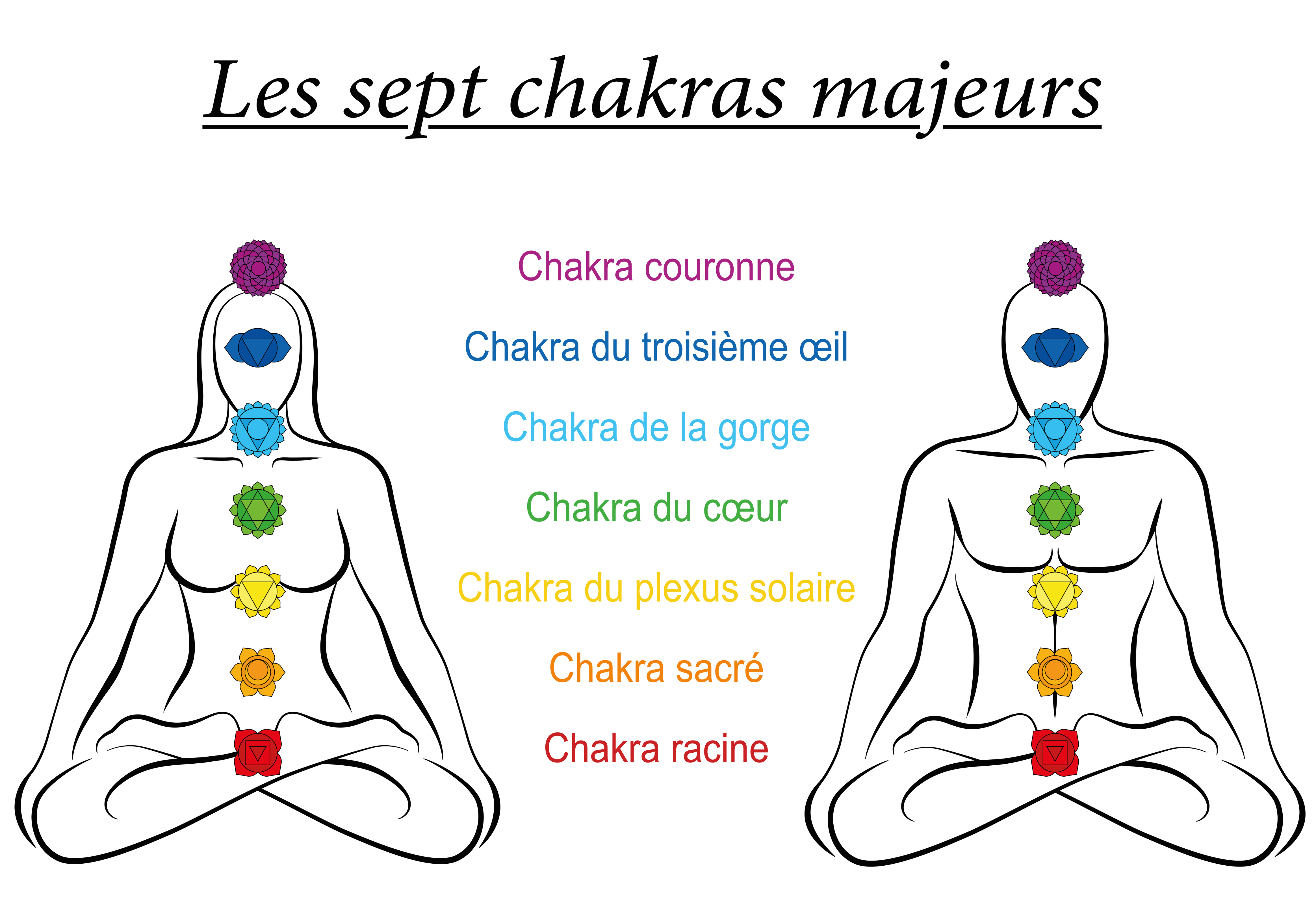
Lapis lazuli is an excellent stone for balancing the throat chakra. It allows for free expression. Speech is clear, concise, and straightforward. This balanced chakra promotes high-quality communication. The voice is harmonious, and words are honest. It fosters feelings of compassion, empathy, and understanding towards others.
An unbalanced throat chakra, or one that is too open, leads to a lack of self-confidence and trust in others. The person becomes sarcastic and may utter a torrent of words, sometimes to the point of being completely incoherent. They are utterly incapable of listening to others.
A blocked throat chakra causes difficulty in self-expression. The person hesitates to speak for fear of sounding ridiculous. They may become rude and inaudible. They are shy and nervous.