
Hematite
Hematite
Hematite is primarily composed of oxygen, iron, titanium, aluminum, manganese, and a large amount of water. It belongs to the oxide family and is the most abundant iron oxide on Earth. It has also been found on Mars. Its iron content, lower than that of magnetite, can reach 70%.
This mineral ranges in color from black to silvery-grey, brown to red, or entirely red. When exposed to water and crushed, its very friable nature easily reduces to a blood-red powder. This characteristic gave it its name, "haematites" in Latin, derived from the Greek word "haima," meaning blood. The finer the grain size of the hematite variety, the more pronounced the red color.
This mineral is found in metamorphic rocks, sedimentary rocks, hydrothermal environments, igneous rocks, and also as a result of gas emissions from volcanoes. Hematite has a hardness of 5 to 6 on the Mohs scale.
Thus, the appearance of hematite varies depending on its composition, location, and the temperature during its crystallization. It can therefore occur as flakes, granular masses, columns, short crystals, etc. Hematite inclusions within various minerals give them a magnificent effect and are highly sought after.
Since prehistoric times, hematite has been used by humans, particularly Homo sapiens. They used it as body paint. Later, hematite, in its red form, was ground and diluted in water. Its presence can be seen in the prehistoric paintings of the Chauvet Cave, dating back 30,000 years, and in those of the Lascaux Cave, dating back approximately 20,000 years. The first hematite mines have been in operation for about 10,000 years.
The Persian and Babylonian civilizations crafted numerous cylinders from hematite. They wore them around their necks to benefit from their magical and protective powers. A number of these cylinders have been found dating back 4,000 years.
The Egyptians engraved hematite, which was then considered a precious stone. Mirrors belonging to wealthy Egyptian women were made and carved from hematite. They also used powdered, ochre-colored hematite as lip makeup. Hematite powder was believed to ward off bad luck and illness.
The Greeks and Romans attributed numerous virtues to crushed hematite, notably its ability to heal the eyes and even restore sight. It was also said to heal wounds and burns and to stop bleeding on the battlefield. It was also believed to be very effective against the bites of venomous animals and poison in general.
In the Middle Ages, powdered hematite was one of the main components of grisaille, a rather unique type of painting. This kind of glass paint adorns many stained-glass windows and other masterpieces in cathedrals and churches.
From the 15th century onwards, hematite-based paint was used for coloring faces in portrait painting. Then, during the Renaissance, Leonardo da Vinci used hematite chalk sticks.
Today, hematite is still used in iron production and cosmetics manufacturing. It is found in metallurgy and as aggregates in the composition of heavy concrete. Specimens are frequently used in jewelry or simply collected by gemstone enthusiasts.
Deposits of raw hematite stones
The main deposits are located in China, Brazil, Argentina, France, etc.
The virtues of hematite in crystal healing
Its benefits on a psychological level
Hematite is a stone of grounding and harmony. It brings those who are a little too dreamy back to reality. This stone develops the ability to listen, both to others and to oneself. It also teaches patience and compassion, thus fostering quality relationships.
This mineral provides strength and courage, enabling one to face life's difficulties with serenity. It helps overcome shyness, doubts, and a lack of self-confidence. Hematite fosters assurance, energy, and optimism.
It helps to assert oneself and strengthen willpower. Thus, it is also recommended to combat addictions and compulsive behaviors (smoking, alcoholism, bulimia, anorexia).
Hematite is known to boost concentration and memory. It is ideal for students, those changing careers, or those in vocational training. It particularly facilitates the study of technical and scientific subjects.
Hematite is said to help people who are too quick-tempered or nervous to find calm. It teaches them to analyze events calmly and objectively. It helps overcome all kinds of fears and phobias. Furthermore, it promotes restful sleep by easing anxiety.
His powers on the physical plane
Hematite is a stone that helps to fix the iron contained in a balanced diet and strengthens the body in general.
This mineral promotes good circulation of bodily fluids.
Hematite promotes the proper functioning of the third eye chakra.
Hematite and associated astrological signs
Hematite possesses virtues and properties that affect all signs of the zodiac. However, its effects and benefits are amplified in the following signs:

-
Ram : A symbol of action, enthusiasm, and impulsiveness, this sign represents ambition, competition, and audacity. Wearing hematite helps to calm its ardor and temper. This sign is made to command and commands respect. Thus, it likes to lead and sometimes displays too much authority. It always seeks to be first because it loves competition. Obstinate by nature, it will do anything to get what it desires. It is also often overly frank. It tends to say what it thinks out loud and can sometimes be hurtful. It does not give up in the face of adversity. On the contrary, it seems to stimulate it. If it fails, it gets back up even more determined. In love, it enjoys the games of seduction. It has a lot of charm and is very appealing. It always needs to be sought after because it hates routine. It appreciates fiery passions;
-
Aquarius: A symbol of the future, technology, and science, this sign represents freedom, equality, and utopia. It dreams of a world where everyone has equal rights and the same access to knowledge. Differences are accepted, and everyone is free. Wearing hematite gives it more self-confidence, as it tends to be very shy and insecure. It hates hierarchy and can sometimes become anarchistic and revolutionary. It cherishes its freedom and is not ready to give it up. This sign loves to be admired and has a distinctive style of dress. It is creative and always needs to have projects. However, these projects rarely come to fruition. It can also be intolerant and often thinks it is the only one that is right. In love, it cannot stand routine and loves adventure. However, it is wary of overly passionate relationships. Its partner must be surprising. They must be both its friend and its lover. Above all, they must not infringe upon its freedom.
-
Fish : A symbol of infinity, faith, and artistic gifts, this sign represents the unconscious, mystery, and sacrifice. It is highly impressionable and can easily fall into various addictions. Wearing hematite gives it the willpower to resist temptation. An idealist, it lives in a world of daydreams, creating a virtual world for itself. It can even become an outsider. Often lacking perspective, its emotions take over. It has an incredible knack for good deals and can become an excellent financier. A creative mind, it thrives in artistic pursuits. This sign tends to be very anxious and stressed. It refuses all positions of responsibility. In love, it can be both completely devoted and very libertine. It displays a great deal of eroticism and indulges in all excesses. With maturity, it aspires to start a family and becomes more serene.
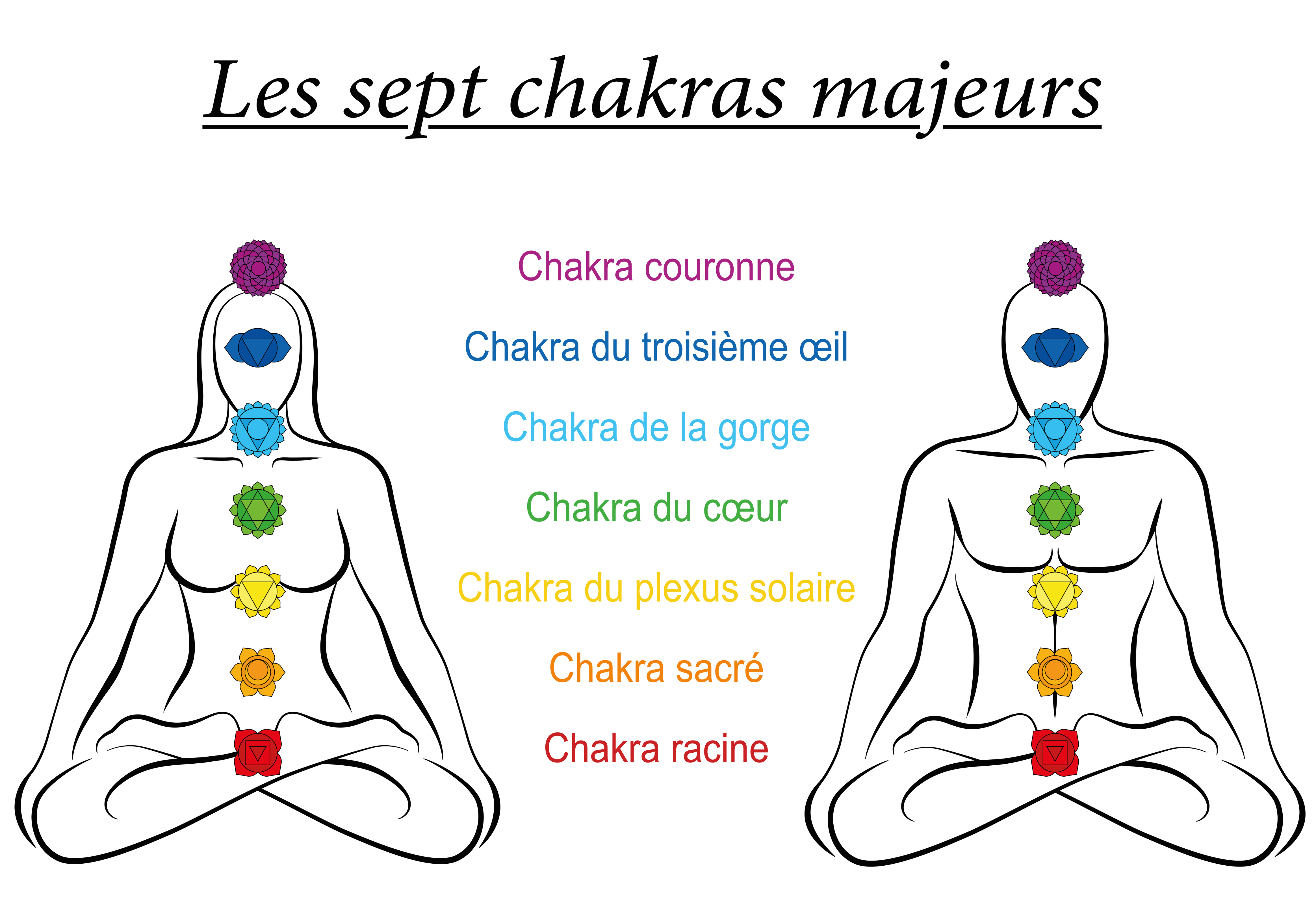
Hematite perfectly balances the root chakra. The root chakra is the first chakra, located at the perineum. It lies at the base of the spine. When this chakra is balanced, energy flows correctly, without excess or deficiency. The wearer of hematite then experiences a sense of security and stability. A feeling of well-being and vitality washes over them.