
Rock Crystal
Rock crystal

Rock crystal is naturally transparent and colorless. However, its color can change depending on the inclusions it contains. During its formation, rock crystal can have inclusions such as iron, magnesium, aluminum, calcium, etc. But they can also come from minerals such as tourmaline, chlorite, hematite, etc.
Thus, rock crystal can be either blue, green, or gold.
Pure rock crystal consists solely of silicon dioxide. It belongs to the quartz family, which is part of the silicate group, and has a hardness of 7 on the Mohs scale.
Rock crystal, as clear as water, is associated with purity and transparency. It is also known as clear quartz. Furthermore, it is one of the most abundant minerals on Earth. Sometimes, it is a component of other rocks, such as granite.
The etymology of Crystal comes from the ancient Greek “krystallos” and “kryos”, meaning ice and frost respectively.
Stories and legends
In the 1st century AD, Pliny the Elder's writings in his encyclopedia, Natural History, mention that rock crystal could not melt even near an intense heat source. Indeed, it was believed to be icy cold and even considered unbreakable. It was said to originate from celestial water. Furthermore, he suggests that this crystal possessed healing properties.
Archaeological excavations have revealed that rock crystal has been used since prehistoric times. Tools and weapons made of rock crystal have been found, as well as flints used for starting fires. Since antiquity, this stone has been believed to possess healing, even supernatural, powers.
Rock crystal has been used by numerous civilizations throughout the world, in different eras and for various purposes. The Mayans attributed to it the qualities of a divining rod and used it to find water. As for the Aboriginal peoples, they believed that this crystal came directly from the sky and included it in their initiation rites.
The Romans and Greeks used it in the making of jewelry, cups, seals, and intaglios. They also used it to cauterize wounds by directing the sun's rays through the crystal onto the injury.
In the Middle Ages, all sorts of crystals were called quartz. Therefore, Georgius Agricola, a 16th-century scholar and mineralogist, decided to restrict the term quartz to rock crystal. Rock crystal was also used to make crystal balls and to prepare all sorts of elixirs.
During the Renaissance period, rock crystal was used for candlesticks, chandeliers, and other works of art. Furthermore, many figures and motifs were carved from this stone.
Nowadays, this rock crystal is commonly used by jewelers for the creation of jewelry.
Rock crystal deposits
The main deposits are located in Brazil, Morocco, Madagascar, the United States, etc.
The virtues of rock crystal in crystal healing
Its psychological significance
Rock crystal is a stone that opens the mind. Emitter, transformer, and amplifier of energy, this stone is perfect for meditation and concentration. It increases self-confidence and intuitive perceptions.
Rock crystal helps channel energies, encourages attentive listening, and fosters communication with others. It promotes clear and articulate expression. Those who are overly assertive or even stubborn should wear a rock crystal during debates. It offers solutions to conflicts while warding off negative energies.
A stone of harmony, it is renowned for its stress-relieving properties and helps overcome blockages linked to the past. It combats stress and its consequences, reduces anxiety, and promotes a sense of well-being. It is excellent for calming an anxious mind, for example, during an interview. Wearing a rock crystal during important meetings will facilitate exchanges, understanding, and communication.
This stone provides vitality and comfort. It restores energy and motivation. It can be placed in the living room. In this way, it will protect the home from any disturbing energies in the surrounding environment. It then diffuses soothing and calming vibrations.
Its physical benefits
Rock crystal has anti-stress properties and therefore reduces its effects on our body. It reduces tension.
This stone helps to promote the proper functioning of the solar plexus chakra and the crown chakra.
Finally, this stone contributes to the proper circulation of bodily fluids.
Rock crystal and associated astrological signs
Rock crystal has virtues and benefits for all zodiac signs. Its effect is the same regardless of the astrological sign. However, rock crystal is the birthstone for:

-
Capricorn: A symbol of ambition, social and professional success, and patience, this sign represents perseverance, often precocious maturity, and sometimes avarice. It possesses a strong sense of duty and is very methodical and organized. It often demonstrates extensive knowledge and can even be an expert in various subjects. It is often quite reserved and reserved, never letting itself go. Wearing a rock crystal allows it to open up to others and develop meaningful relationships. It also gives it self-confidence. Indeed, this sign can be very insecure. It will work extremely hard to achieve its goals. It wants professional fulfillment and needs to feel appreciated at work. It doesn't have many friends because it enjoys solitude. In love, it feels vulnerable in the presence of strong emotions. It prefers to renounce love rather than be hurt and suffer. With age, it gains assurance and self-confidence. At that point, he can then consider starting a family.
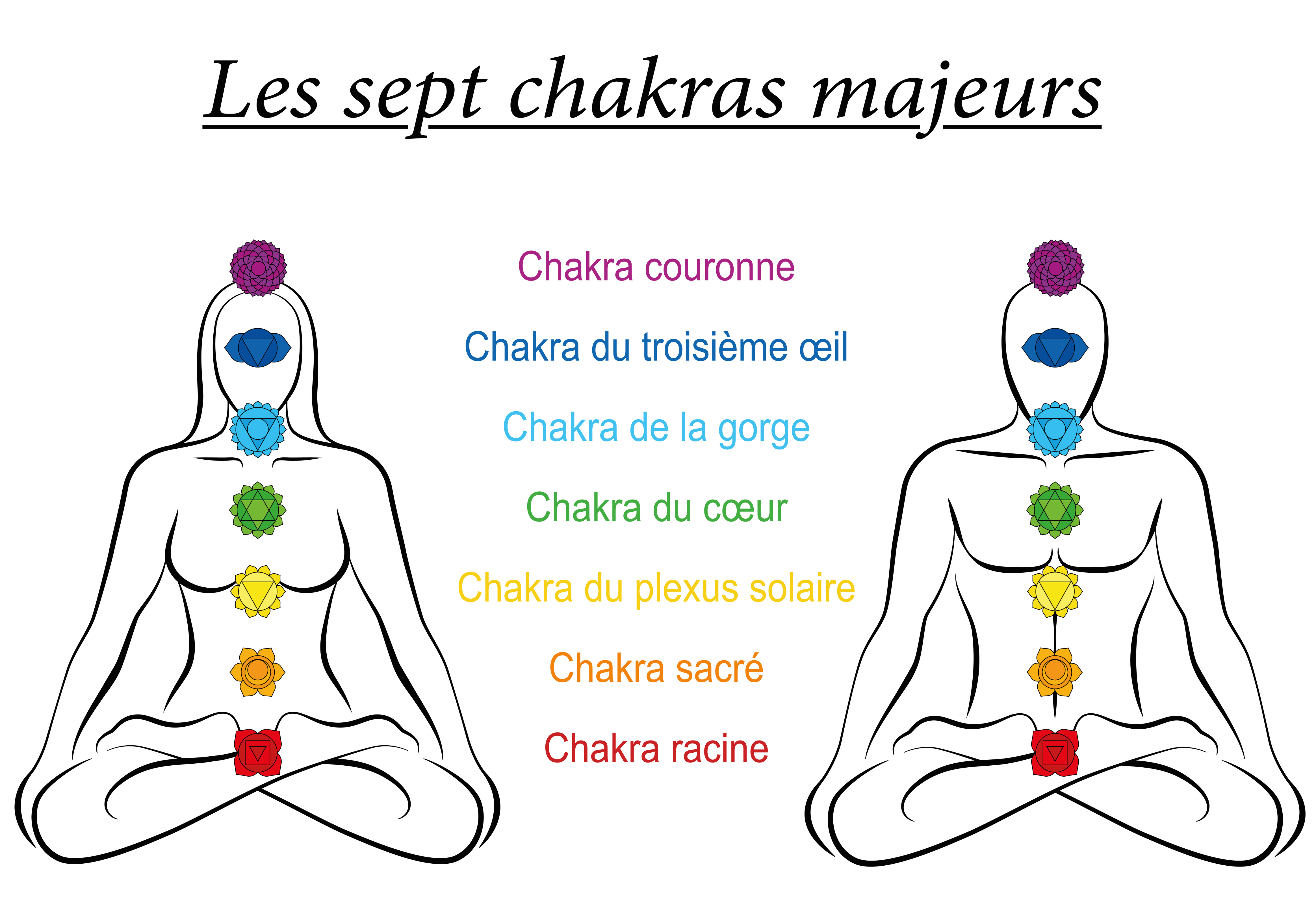
Rock crystal primarily works on the third eye chakra, which represents wisdom, knowledge, and intelligence. This chakra strengthens our ability to think, to use our intuition and imagination. It allows us to demonstrate wisdom and self-control. Located between the two eyes, it is the seat of our thoughts and our perception of life.
Rock crystal also plays an important role in the crown chakra, located at the top of the head. When balanced, it strengthens a sense of unity and connection to everything. It evokes harmony, channels energies, leads to spirituality, and above all, to inner peace.