
Cornelain

Carnelian belongs to the microcrystalline quartz family. It is a red variety of chalcedony. Its beautiful color comes from inclusions of hematite, a natural iron oxide. The intensity of its color, ranging from red to orange, is related to its iron concentration.
It is also composed of aluminum oxide and silica. This red quartz comes from volcanic rocks formed at low temperatures. The vermilion red color is the most prized, and is often obtained by heating the stone or exposing it to the sun for extended periods.
Carnelian is very slightly translucent, even opaque, and its pleochroism is weak (the ability of light to pass through the stone and display various colors). It has a hardness between 6 and 7 on the Mohs scale.
Its etymology
Several hypotheses exist regarding the etymology of the word "corneline." Some suggest that the name comes from the cornelian cherry, a shrub that grows in eastern Mediterranean countries. It produces a fruit with a beautiful red color, quite similar to that of the cornelian cherry. The origin of the name "cornelian cherry" comes from the Latin "corneolus."
Others claim that the name comes from the Latin word "carne," meaning meat. But in either case, carnelian owes its name to its beautiful reddish-orange color. By the 16th century, the stone was definitively known as "carnelian."
Its stories and legends
Carnelian has been used for millennia. At the beginning of the 20th century, British archaeologist Leonard Woolley discovered the tomb of Puabi during his excavations. Puabi was a highly important figure in the Sumerian city of Ur during the First Dynasty of Uruk, between 2750 and 2550 BC. She was adorned with magnificent necklaces and a gold headdress featuring carnelian and lapis lazuli. The headdress is on display at the Pennsylvania Museum of Archaeology. In the neighboring tomb, the Standard of Ur was discovered in the form of a small ivory chest decorated with red Indian carnelian. This small chest reveals the history of this civilization and is on display at the British Museum in London.
Around 2700 BC, this orange stone appeared in ancient Egypt. It was given as an offering to Isis, the mythical queen and funerary goddess, to accompany the dead on their journey to the afterlife. Carnelian also served as a stone of magnificence and ornament, believed to provide protection. It can be found on the headdresses of pharaohs and on numerous talismans. Furthermore, this orange-red stone, associated with the colors of the sun, spiritually represents the sun god. It was also found in paintings and used in natural medicine.
Unlike the Egyptians, the Greeks and Romans used this stone solely for making jewelry and seals and attributed no curative powers to it. Gods and symbols of good fortune were engraved in the red stone. Pliny the Elder, a Roman naturalist of the 1st century AD, describes it in his encyclopedia, Natural History. He even distinguishes between male stones, which are bright red, and female stones, which are more of an orange-yellow color.
In the Middle Ages, carnelian was believed to have healing powers. At that time, battles raged, and carnelian was thought to give courage to warriors and protect them from bleeding.
In China, the Chinese enhanced the red color of carnelian by adding copper oxide, then used it to glaze their fine porcelain. Carnelian was ground and transformed into a pigment for decorating works of art.
In France, during the Renaissance, carnelian was a stone that captivated many artists. Then, from the 17th century onward, Dutch maritime trade brought in large quantities of carnelian directly from the Orient. Gradually, it became widespread in the manufacture of jewelry, decorative objects, and goldsmithing. This trade diminished its rarity and led to a drop in prices.
The main deposits are located in Brazil, Madagascar, Botswana, etc.
The virtues of carnelian in crystal healing
Its benefits on a psychological level
Carnelian is a stone of serenity and calm. It has the ability to strengthen self-confidence and promotes spontaneity. It cultivates a zest for life and encourages one to savor every moment.
Associated with daring since antiquity, this stone restores energy, vitality, and courage, and regulates inflated egos. It facilitates public speaking and bestows eloquence. It fosters confidence, but not arrogance.
Carnelian helps combat intense sadness. Furthermore, it calms anger, jealousy, and resentment. It helps overcome certain past traumas and becomes a stone of resilience.
For overly sensitive people, this stone can make them stronger, give them more poise, and help them assert themselves. It fosters creativity and promotes concentration by calming restless thoughts.
This stone is renowned for bringing joy, good humor, happiness, and enthusiasm. Its vibrant color radiates a sense of well-being that allows one to manage difficult situations with ease. Unlike most red stones, carnelian regulates excess energy instead of increasing it.
A true lucky charm, carnelian spreads its protection throughout the home and fosters relationships by maintaining a gentle and serene atmosphere. It encourages understanding between people.
His powers on the physical plane
Carnelian, through its invigorating action, restores tone and vitality while stimulating the body.
This mineral reduces stress and its effects on the body.
This stone promotes good circulation of bodily fluids.
Carnelian and its associated astrological signs

Carnelian, through its energy and vitality, provides numerous benefits to all signs of the zodiac. However, its virtues are amplified for the following signs:
-Scorpio: A symbol of death, the end of things, and transformation, this sign represents instinct, passion, and animalistic sexual desire. Wearing a carnelian provides this sexual vitality and the ability to regenerate. It can be extreme and tyrannical, capable of jealousy, possessiveness, and even sadism. However, this sign is loyal and dependable. Be careful not to betray it, as it knows no forgiveness and its revenge can be terrible. It is very idealistic and needs to dedicate itself to just causes. Highly sensitive, it is determined and strong-willed. In love, it is extremely passionate, captivating, and seeks to merge with the other. Very intense, it either loves or hates. With age, it calms and can become attached, making it an ideal and very protective partner.
-Virgin : A symbol of organization, measurement, and perfection, this sign represents logic, work, and medicine. It is obsessed with order and cleanliness, and is very meticulous. Naturally extremely anxious and insecure, wearing a carnelian provides self-confidence and assurance. It enjoys helping others and loves contributing to problem-solving, especially thanks to its practical nature. Highly anxious, it struggles to manage its emotions and is often overly demanding of itself. Devoted, it is happiest when it feels it can be of great help. In love, this sign is very reserved. It prefers solitude, as it is too afraid of romantic failure. If it marries, it will be more for practical reasons than sentimental ones.
-Ram : A symbol of action, enthusiasm, and dynamism, this sign represents drive, energy, and leadership. Full of audacity, it is stubborn and strives to be first. It enjoys confrontation and can become impassioned about issues close to its heart. However, it tends to take a stand for causes, which it will quickly abandon to move on to something else. It speaks frankly about what it thinks and sometimes lacks diplomacy. Wearing a carnelian enhances its ability to bounce back even after a setback. In love, it experiences several whirlwind romances; it is entirely filled with passion and ardor. It hates routine and needs to live its relationships intensely.
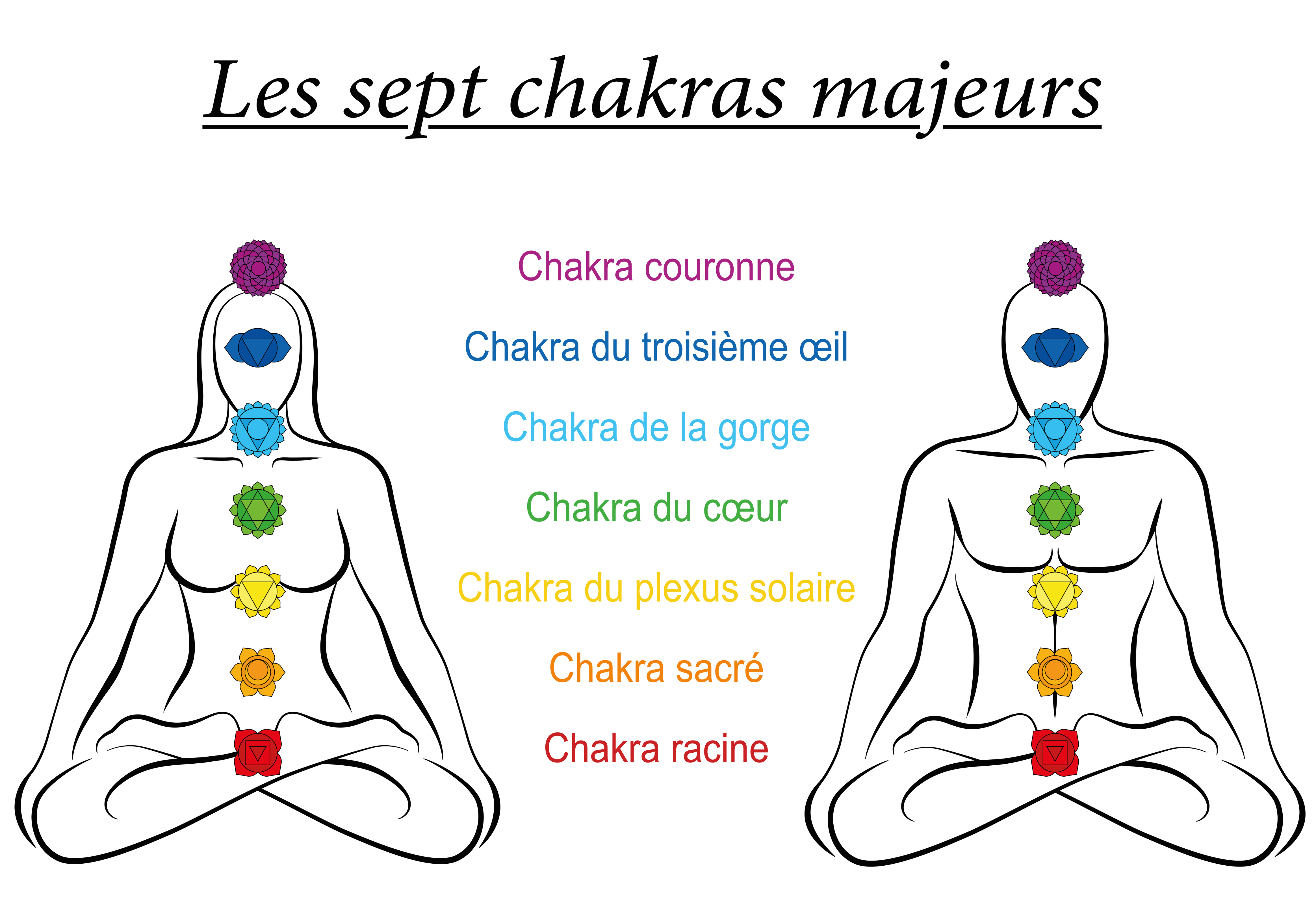
Carnelian helps the sacral chakra to open and balance. The sacral chakra is the second chakra, located approximately 8 cm below the navel. It is of great importance and is the source of well-being. It promotes communication with others and brings harmony to life.
Carnelian can also balance the third chakra. This third chakra is called the solar plexus chakra. With carnelian, it helps develop personal power and brings about the achievement of goals. This chakra is often represented by the color of carnelian.